Professor Liu Pingzeng's Team: Key Technologies And Construction Models Of Unmanned Smart Farms
Citation format:
Liu Lining, Zhang Hongqi, Zhang Ziwen, Zhang Zhenghui, Wang Jiayu, Li Xuanxuan, Zhu Ke, Liu Pingzeng. Key technologies and construction models of unmanned smart farms - taking the "half a ton of grain" unmanned farm as an example. Smart Agriculture (Chinese and English), 2025, 7(1): 70-84.
DOI: 10.12133/j.smartag.SA202410033
LIU lining, ZHANG Hongqi, ZHANG Ziwen, ZHANG Zhenghui, WANG Jiayu, LI Xuanxuan, ZHU Ke, LIU Pingzeng. Key Technologies and Construction model for Unmanned Smart Farms: Taking the "1.5-Ton Grain per Mu" Unmanned Farm as An Example. Smart Agriculture, 2025, 7(1): 70-84.
DOI: 10.12133/j.smartag.SA202410033
Read the full text of the official website for free
CNKI Reading

Key technologies and construction models of unmanned smart farms - taking the "half a ton of grain" unmanned farm as an example
Liu Lining 2, 3, 4, Zhang Hongqi 1, 3, 4, Zhang Ziwen 1, 3, 4, Zhang Zhenghui 2, 3, 4, Wang Jiayu 1, 3, 4, Li Xuanxuan 1, 3, 4, Zhu Ke 1, 3, 4, Liu Pingzeng 1, 3, 4*
(1. School of Information Science and Engineering, Shandong Agricultural University, Tai'an, Shandong 271018, China; 2. School of Mechanical Electronics and Engineering, Shandong Agricultural University, Tai'an, Shandong 271018, China; 3. Agricultural Big Data Research Center of Shandong Agricultural University, Tai'an, Shandong 271018, China; 4. Huanghuaihai Key Laboratory of Intelligent Agricultural Technology, Ministry of Agriculture and Rural Affairs, Tai'an, Shandong 271018, China)
summary:
[Purpose/Significance] Unmanned smart farms are an important practice model of smart agriculture. This study uses the “Half Ton and Half Grain” unmanned smart farm in Dezhou, Shandong Province as the experimental site to overcome the core technical problems in the construction of Datian smart farms and explore its construction model and service mechanism.
[Method] Using Internet of Things technology, a three-dimensional sensing network for smart farms was developed, which can efficiently collect and aggregate key data such as environment, crop growth, and equipment status. With the help of data analysis and mining technology, key phenotypic information such as the phenological stage and ear characteristics of wheat were accurately extracted. Further combining intelligent agricultural machinery and intelligent decision-making technology, an intelligent control system integrating cloud management and control platform, intelligent equipment and intelligent agricultural machinery has been developed. In addition, relying on multi-source data fusion, distributed computing, Geographic Information System (GIS) and other technologies, an intelligent management and control platform for the entire agricultural production process has been built.
[Results and discussion] The "half a ton of grain" unmanned smart farm sensing system not only improves the quality of data transmission, but also can complete local analysis of phenotypic characteristics such as wheat ears and phenological stages; the intelligent control system can help agricultural machinery improve autonomous operation accuracy and irrigation and pesticide application efficiency and quality. The transformation and upgrading of industrial equipment has enabled full-chain intelligent control of farm farming, planting, management, and harvesting; the big data smart service platform provides farmers with agricultural management services such as weather forecasts, disaster warnings, and optimal sowing dates, greatly improving the digital and intelligent level of farm management. Experimental results show that the accuracy of self-organized network data remains above 85%, drone application can save 55% of pesticides, irrigation models can save 20% of water, and "Jinan 17" and "Jimai 44" increase yields by 10.18% and 7% respectively.
[Conclusion] The research results can provide reference and reference for the construction of smart farms.
Keywords: unmanned smart farm; Internet of Things; information collection; intelligent control; big data analysis
Article pictures
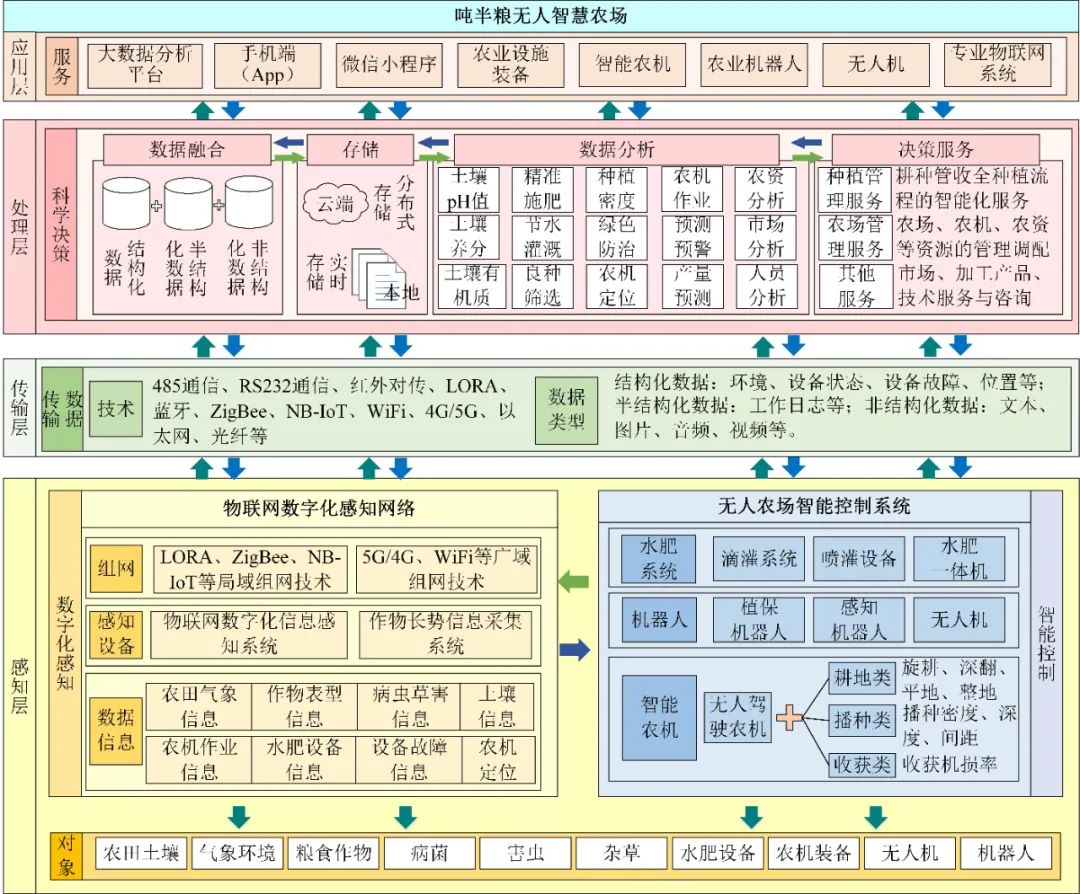
Figure 1 “Half a ton of grain” unmanned smart farm architecture
Fig. 1 The architecture of the "1.5-Ton grain per Mu" unmanned smart farm
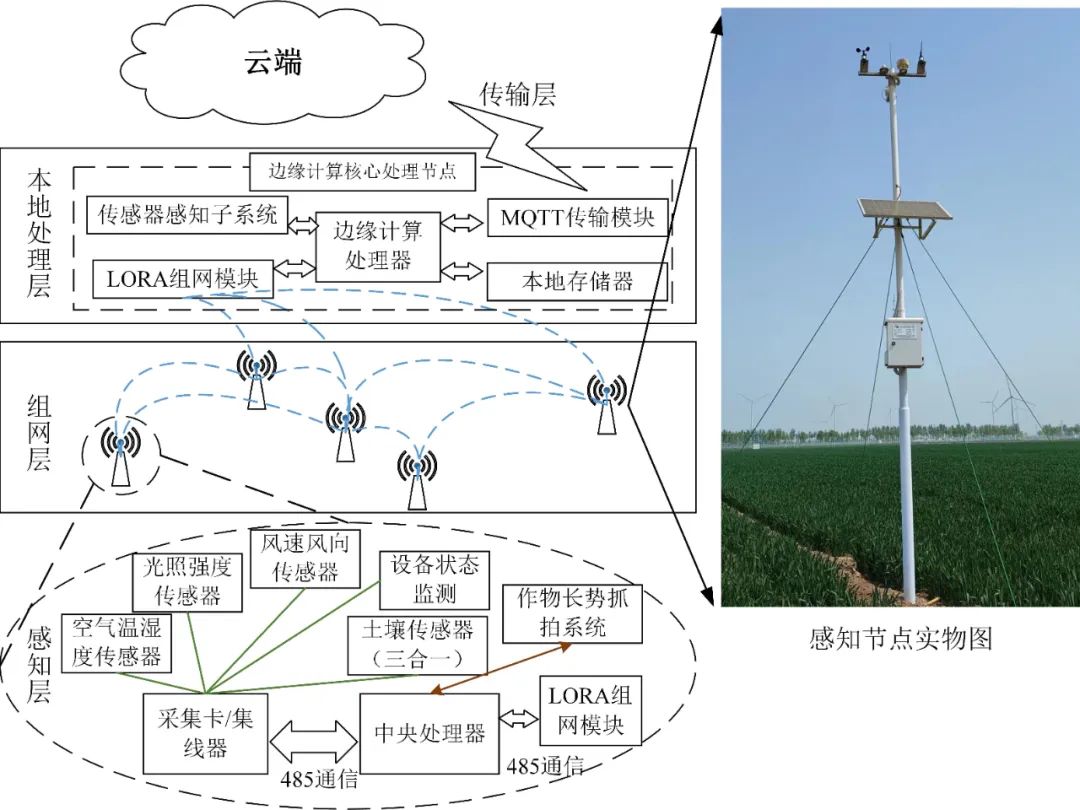
Figure 2 “Half a ton of grain” unmanned smart farm sensing system architecture
Fig. 2 The architecture diagram of the "1.5-Ton grain per Mu" unmanned smart farm collection system
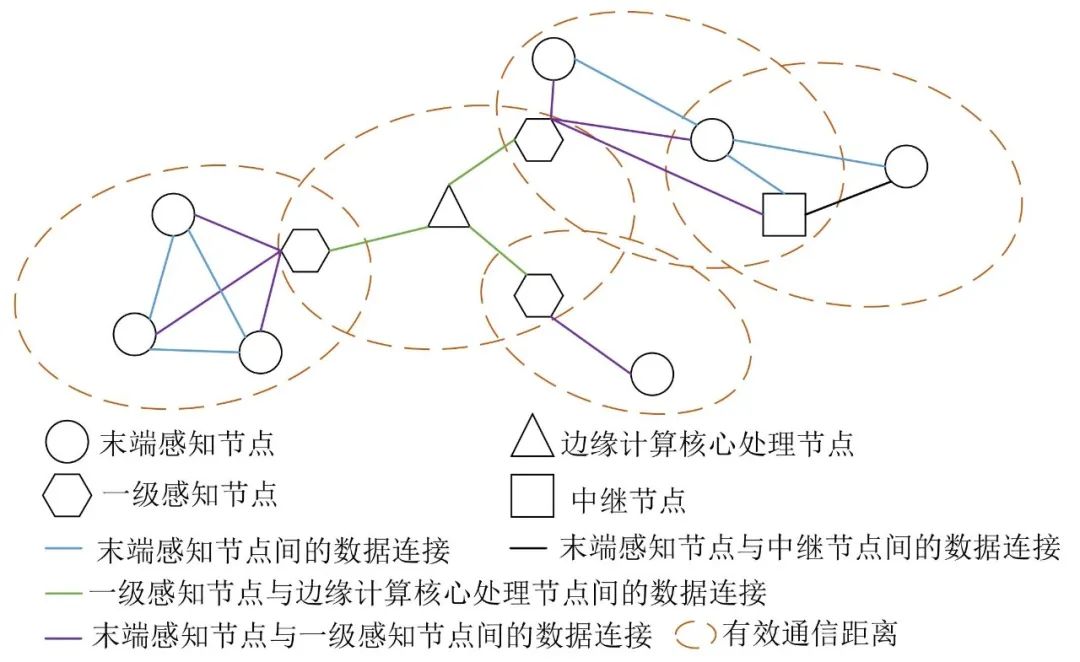
Figure 3 Self-organizing network structure diagram of the “Half Ton and Half Grain” unmanned smart farm sensing network
Fig. 3 The network architecture diagram of self-organizing network of the "1.5-Ton grain per Mu" unmanned smart farm
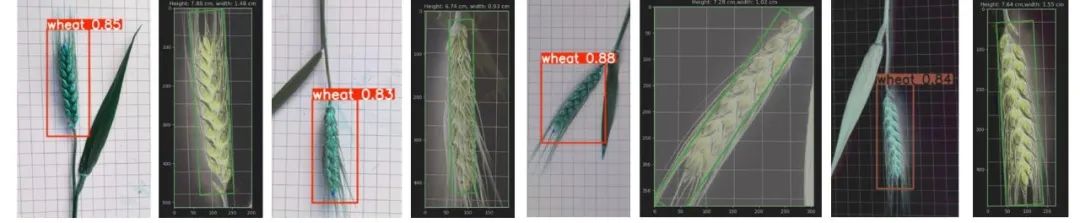
Figure 4 Wheat ear length information extraction results
Fig. 4 Extraction results of wheat spike length information
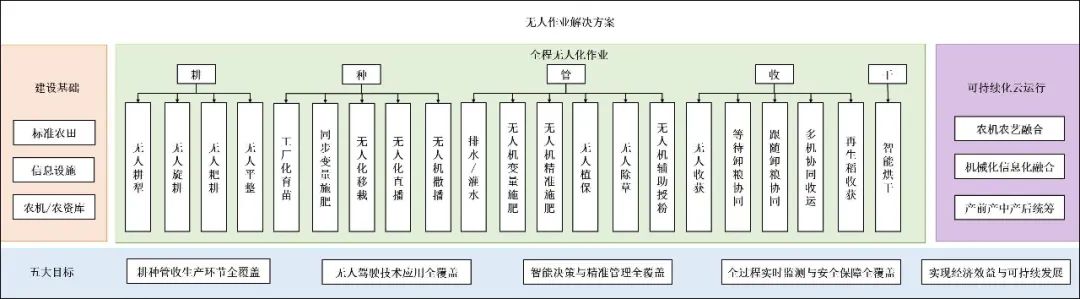
Figure 5 “Half a ton of grain” overall solution for unmanned operations in the unmanned smart farm
Fig. 5 Overall solution for unmanned operation of the "1.5-Ton grain per Mu" unmanned smart farm
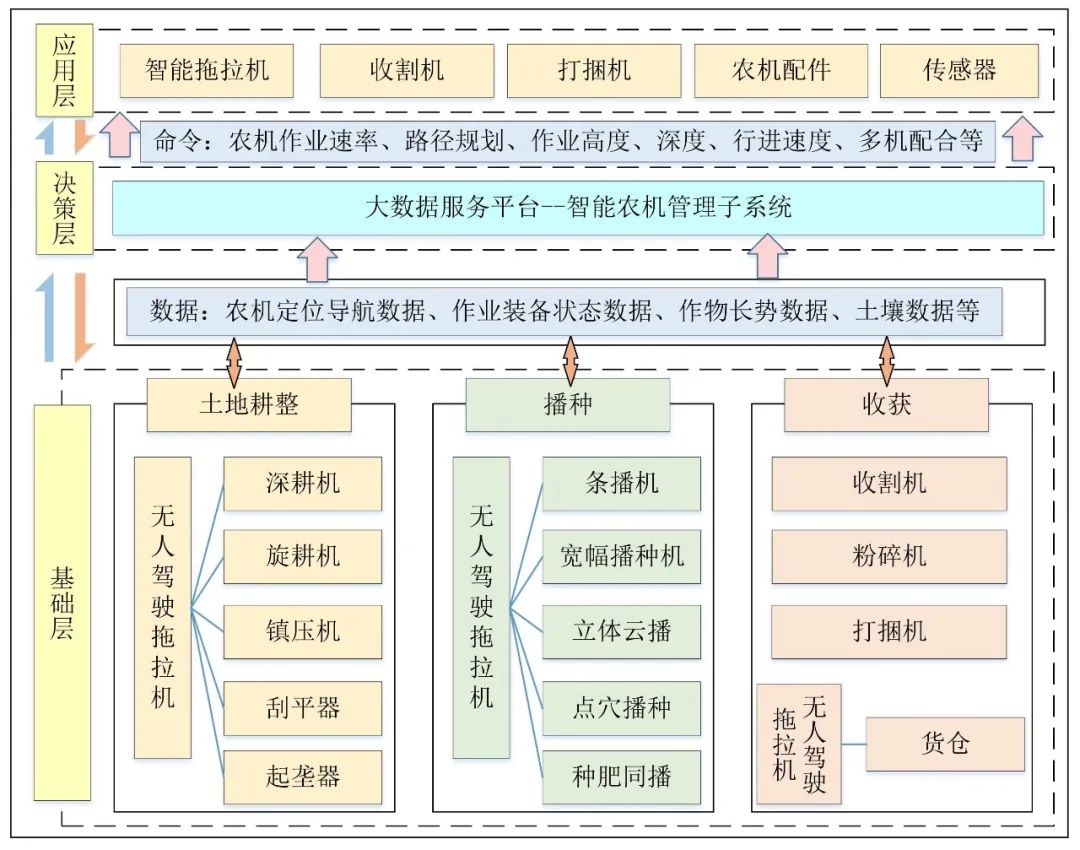
Figure 6 "Half a Ton of Grain" Intelligent Agricultural Machinery System Solution for Unmanned Smart Farms
Fig. 6 Composition of agricultural machinery system for the "1.5-Ton grain per Mu" unmanned smart farm
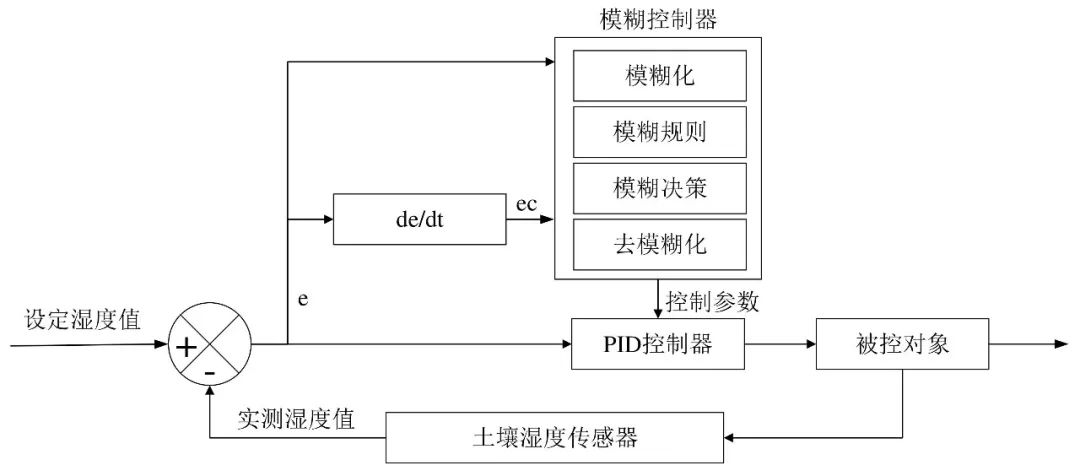
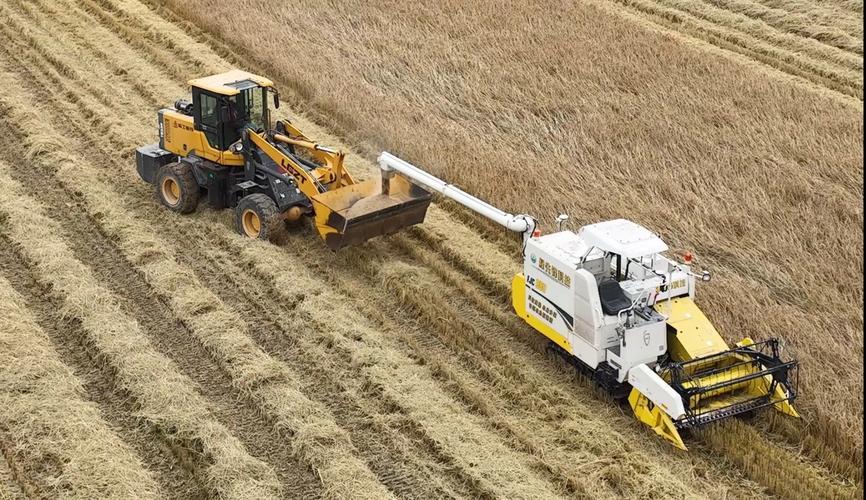
Figure 7 Schematic diagram of the overall framework of the "Half a Ton of Grain" unmanned smart farm field irrigation system
Fig. 7 Overall framework diagram of the field irrigation system for the "1.5-Ton grain per Mu" unmanned smart farm
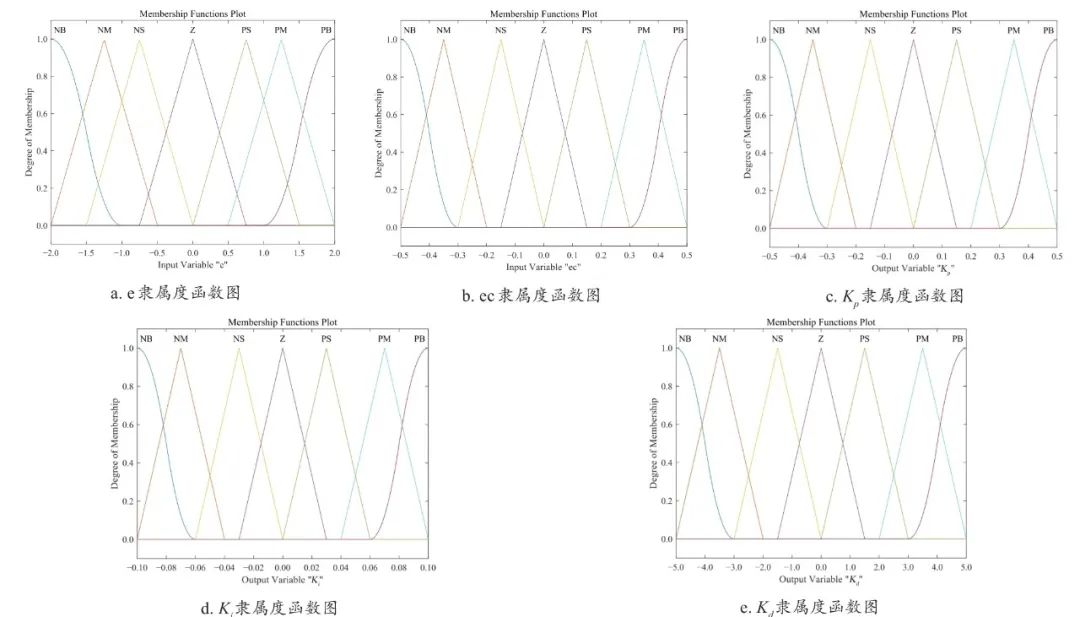
Figure 8 Membership function diagram of e, ec, Kp, Ki, Kd of the irrigation model
Fig. 8 Membership function of e, ec, Kp, Ki, Kd for irrigation model
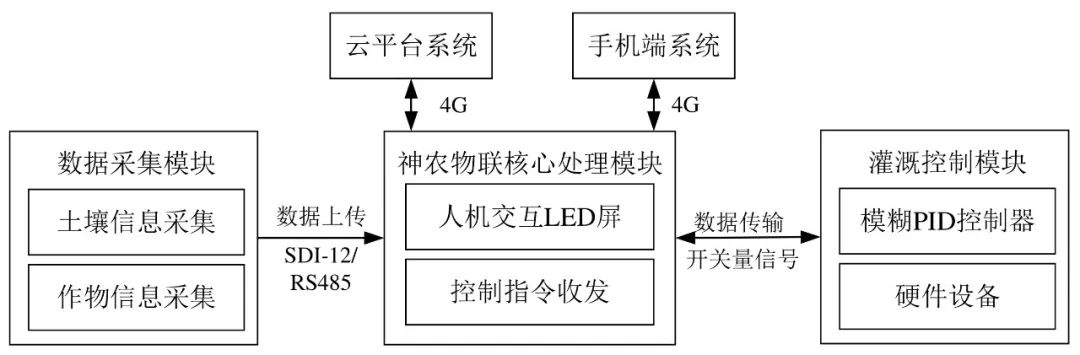
Figure 9 Irrigation system implementation framework diagram
Fig. 9 System implementation framework for irrigation system
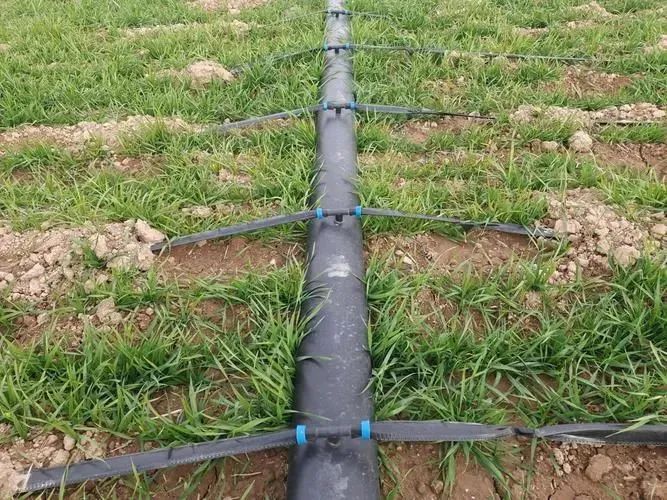
Figure 10 Field deployment diagram of irrigation system
Fig. 10 On site deployment of irrigation system
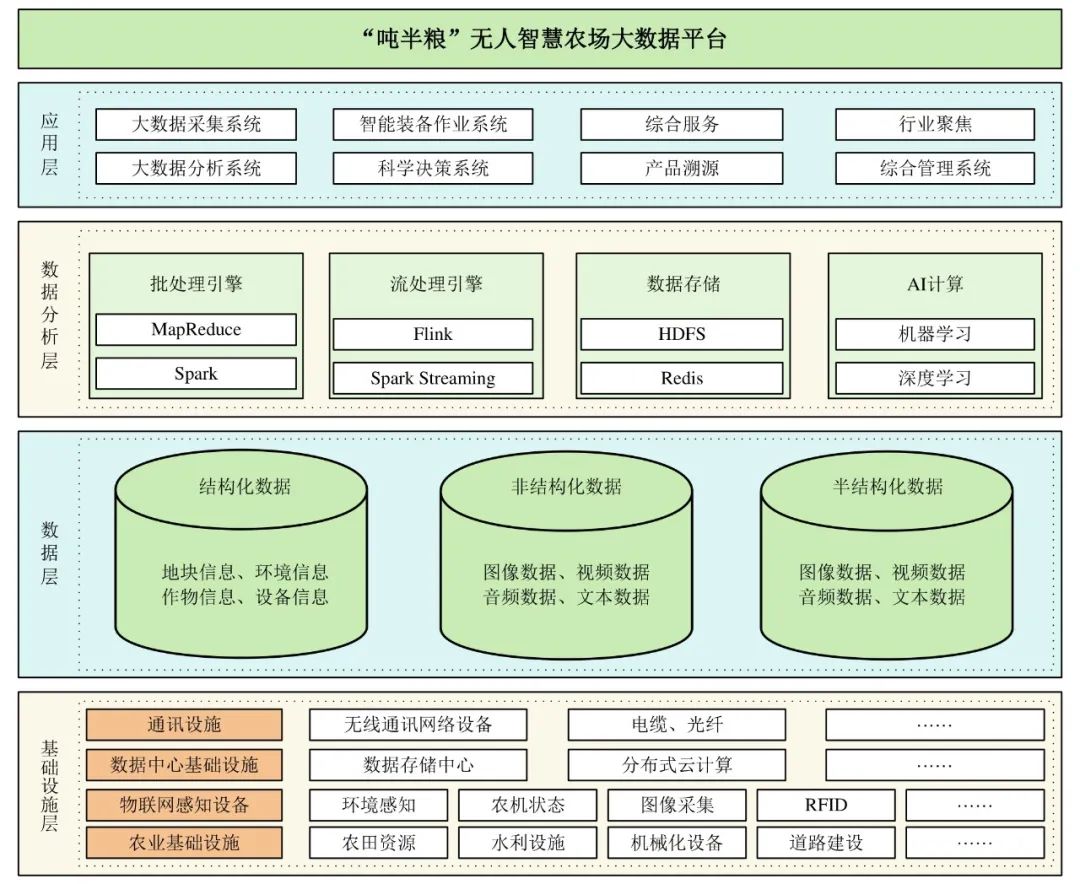
Figure 11 Architecture diagram of the big data platform of “Half a Ton of Grain” unmanned smart farm
Fig. 11 Architecture diagram of the big data platform for the "1.5-Ton grain per Mu" unmanned smart farm
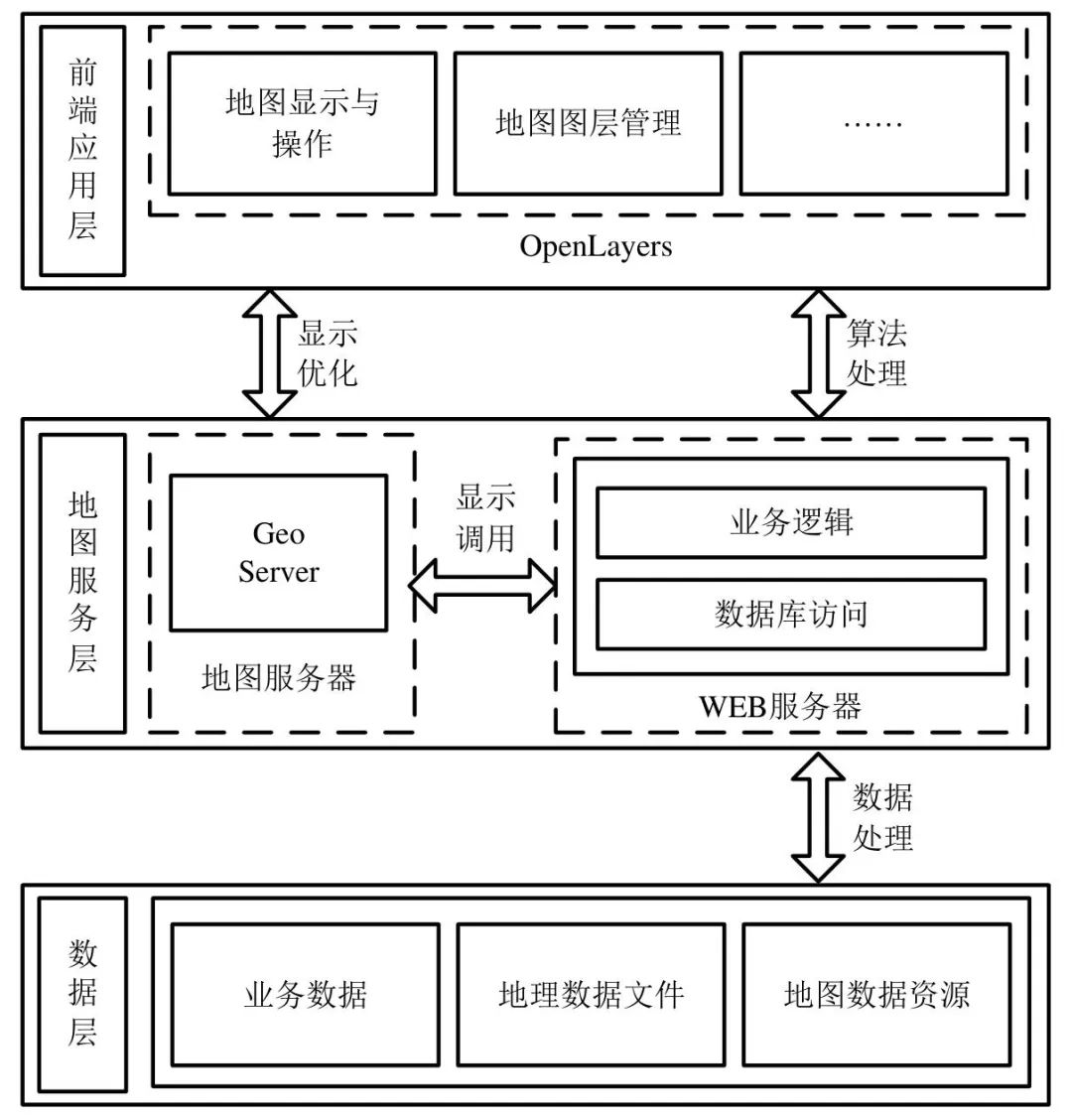
Figure 12 GIS architecture diagram of the “Half Ton Grain” unmanned smart farm big data platform
Fig. 12 The architecture of GIS of the big data platform for the "1.5-Ton grain per Mu" unmanned smart farm
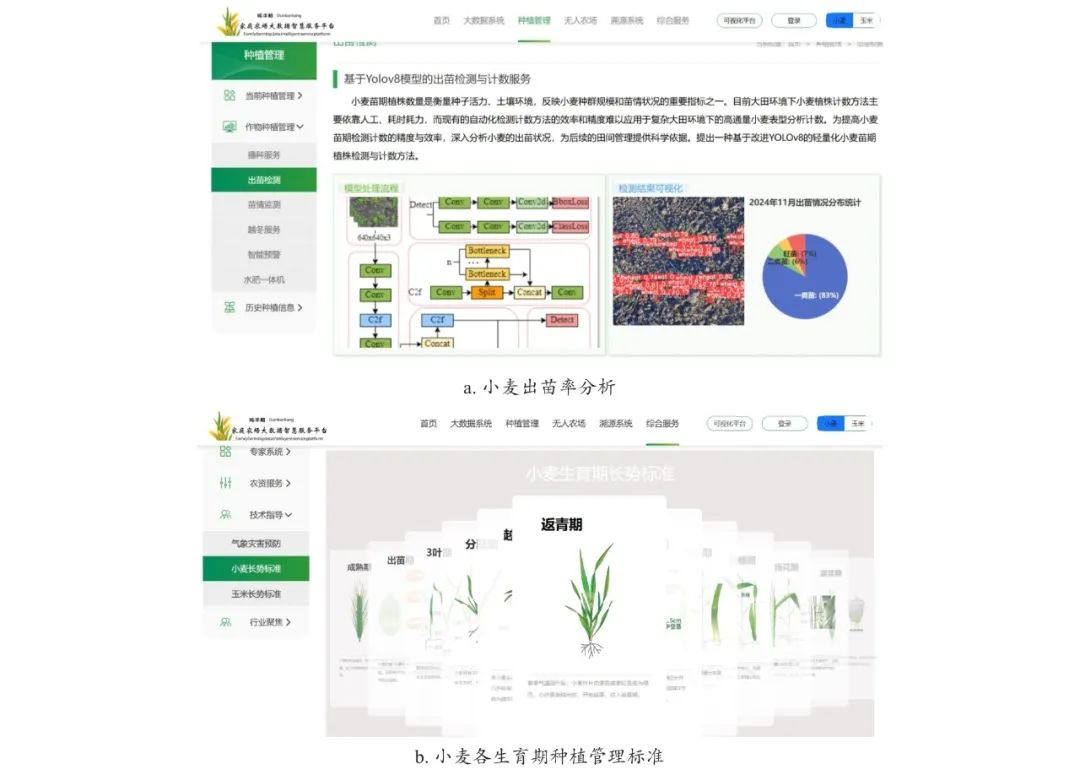
Figure 13 Some module pages of the “Half a Ton of Grain” unmanned smart farm big data platform
Fig. 13 Partial platform pages of the big data platform for the "1.5-Ton grain per Mu" unmanned smart farm

About the author
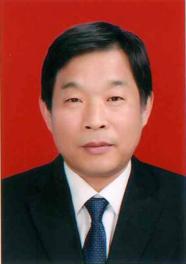
Professor Liu Pingzeng
Liu Pingzeng, professor, doctoral supervisor, deputy dean of the School of Information Science and Engineering of Shandong Agricultural University, agricultural informatization expert of the Ministry of Science and Technology, a leading talent in innovation and entrepreneurship in Taishan, the first level of Shandong Agricultural University 1512, and a high-level talent in Tai'an City. Editorial board member of "Smart Agriculture (Chinese and English)", director of the Huanghuaihai Key Laboratory of Smart Agriculture Technology of the Ministry of Agriculture and Rural Affairs, director of the Smart Agriculture Characteristics Laboratory of Shandong University, and director of the Agricultural Big Data Research Center of Shandong Agricultural University. Mainly engaged in research on Internet of Things, big data, agricultural informatization and food safety traceability technology. He has successively supported and participated in the National 863 Program, National Science and Technology Support Projects, National Spark Program, and many provincial and ministerial level scientific research projects. It has achieved remarkable results in agricultural Internet of Things, agricultural product price analysis, agricultural big data, and smart agriculture construction and development. It has published more than 120 research papers in domestic and foreign academic journals, obtained more than 60 authorized national patents, and authorized more than 100 software copyrights.
Source: "Smart Agriculture (Chinese and English)" Issue 1, 2025